
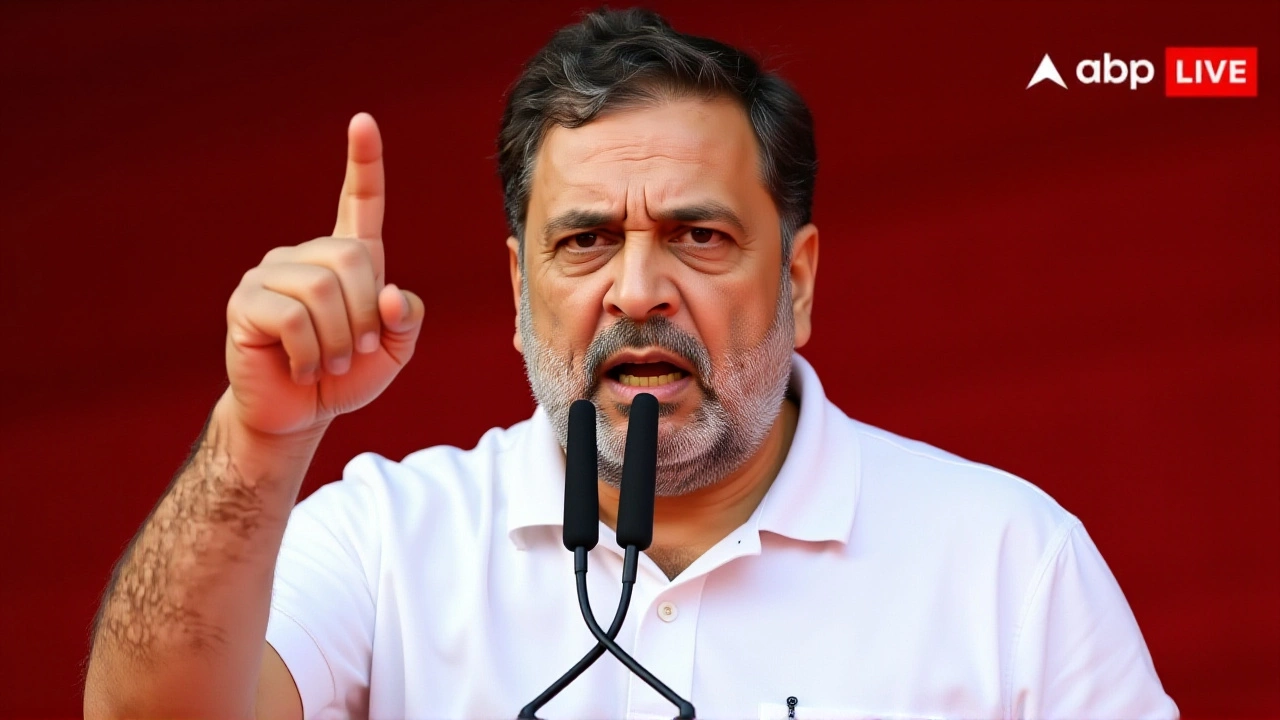
When Indian Oil Corporation, alongside other public sector oil marketing companies (OMCs), announced yet another price surge on Monday, commuters across the country felt the pinch immediately. This marks the fourth consecutive increase in petrol and diesel prices within a span of just 10 days, sending shockwaves through households already grappling with inflation.
The latest adjustment comes from New Delhi, where fuel rates are set daily based on global benchmarks. Here’s the thing: this isn’t just a minor tweak. It’s a rapid-fire series of hikes that has pushed costs to levels not seen in months, driven by volatile international markets and a weakening currency.
A Perfect Storm for Fuel Costs
The catalyst for this volatility is twofold. First, global crude oil prices have been climbing steadily, putting pressure on importers. Second, the Indian rupee has weakened significantly against the US dollar. Since India imports nearly 85% of its crude oil, a weaker rupee means paying more for the same barrel of oil. It’s a classic double-whammy scenario that leaves domestic refiners with little choice but to pass costs onto consumers.
Industry officials cited these "sky-high international crude prices" as the primary driver. But wait, there’s more context needed. The depreciation of the rupee has increased import bills substantially, forcing OMCs to adjust retail prices to maintain even a semblance of financial stability. While they argue it’s necessary, the result is a heavier burden on the average citizen.
The Timeline of Hikes
To understand the scale of this shift, let’s look at the timeline. The spree began on May 15, when prices were hiked for the first time after a long period of stability. On that day, both petrol and diesel saw an increase of approximately ₹3 per liter. It was a modest start, but it signaled a change in trend.
- May 15: Initial hike of ~₹3/liter for both fuels.
- Interim Days: Two smaller adjustments followed rapidly.
- May 25: A significant jump of ₹2.61/liter for petrol and ₹2.71/liter for diesel.
- Monday (Latest): The fourth hike, continuing the upward trajectory.
In total, over these 10 days, petrol prices have surged by ₹7.35 per liter, while diesel has jumped by ₹7.82 per liter. That’s nearly an 8-rupee difference at the pump compared to just two weeks ago. For someone who fills a 50-liter tank, that’s an extra ₹350+ out of pocket.
Who Is Really Losing Out?
You might think the oil companies are making a windfall profit here. Turns out, the opposite is true. According to data from CRISIL, the leading rating agency, public sector OMCs are still operating at a loss despite these recent hikes.
CRISIL estimates that even after the four increases, these companies are losing approximately ₹10 per liter on petrol and ₹13 per liter on diesel. These losses accumulate to billions of rupees annually, impacting their balance sheets and ability to invest in infrastructure. So, while consumers feel the pain, the state-owned entities are bleeding money too.

What Experts Are Saying
The outlook remains grim. Analysts quoted in reports suggest that prices could climb further if global tensions persist or if the rupee continues to slide. There’s no immediate sign of relief on the horizon. One expert noted, "The current market dynamics favor higher prices, and unless crude stabilizes, we may see more adjustments."
This uncertainty creates a challenging environment for logistics businesses, which rely heavily on diesel. Transport costs are rising, which inevitably leads to higher prices for goods ranging from vegetables to electronics. It’s a ripple effect that touches every aspect of the economy.
Impact on the Common Man
For the average commuter, this is more than just a statistic. It’s a direct hit to monthly budgets. Video reports circulating online describe this as a "big shock to the common man" and another blow to wallets already strained by general inflation. Public transport fares are likely to follow suit, exacerbating the cost-of-living crisis.
The psychological impact is also significant. Frequent price changes create anxiety among consumers, who struggle to plan expenses effectively. When fuel prices become unpredictable, spending habits shift, often leading to reduced consumption in other areas.
Frequently Asked Questions
Why have fuel prices increased so frequently in the last 10 days?
The frequent hikes are due to a combination of rising global crude oil prices and the depreciation of the Indian rupee against the US dollar. Since India imports most of its crude, these external factors directly impact domestic pricing, forcing OMCs to adjust rates daily to manage losses.
How much have petrol and diesel prices risen in total?
Over the past 10 days, petrol prices have increased by a cumulative ₹7.35 per liter, while diesel prices have gone up by ₹7.82 per liter. This includes four separate adjustments, with the most significant jumps occurring on May 15 and May 25.
Are oil marketing companies making profits from these hikes?
No, according to CRISIL, public sector OMCs are still incurring losses. Despite the price increases, they are losing approximately ₹10 per liter on petrol and ₹13 per liter on diesel, highlighting the severe impact of high import costs.
Will fuel prices continue to rise?
Experts warn that prices could potentially increase further if global crude oil trends remain volatile or if the rupee weakens further. There is currently no indication of a downward trend in international energy markets, suggesting continued pressure on domestic fuel rates.